How to Choose the Perfect Sectional Sofa for Your Home?
Choosing the right sectional sofa is crucial for any living space. According to the National Furniture Association, sectionals account for over 35% of sofa sales in the U.S. This trend underscores their popularity and versatility in modern homes. A well-chosen sectional sofa can enhance both aesthetics and functionality.
However, selecting the perfect sectional requires careful consideration. Buyers must assess their space, style preferences, and material choices. Research from the American Home Furnishings Alliance shows that comfort and durability remain top priorities for buyers. Many consumers fall into the trap of prioritizing price over quality. A lower-priced sectional may lead to discomfort and replacement sooner than expected.
Determining the ideal sectional sofa isn't just about dimensions or fabric. It also involves knowing your lifestyle needs. Busy families may need durable options, while minimalist aesthetics may demand a sleeker design. Hence, reflecting on these aspects will lead to a more satisfying purchase.
Understanding the Different Types of Sectional Sofas Available
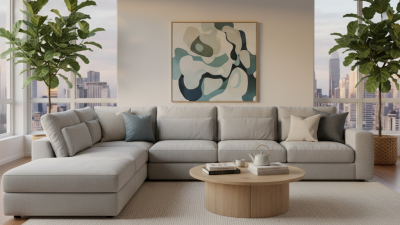
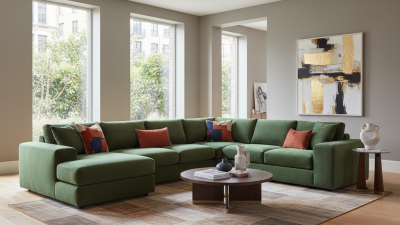
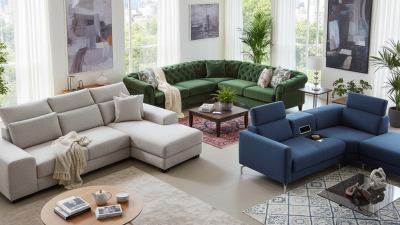
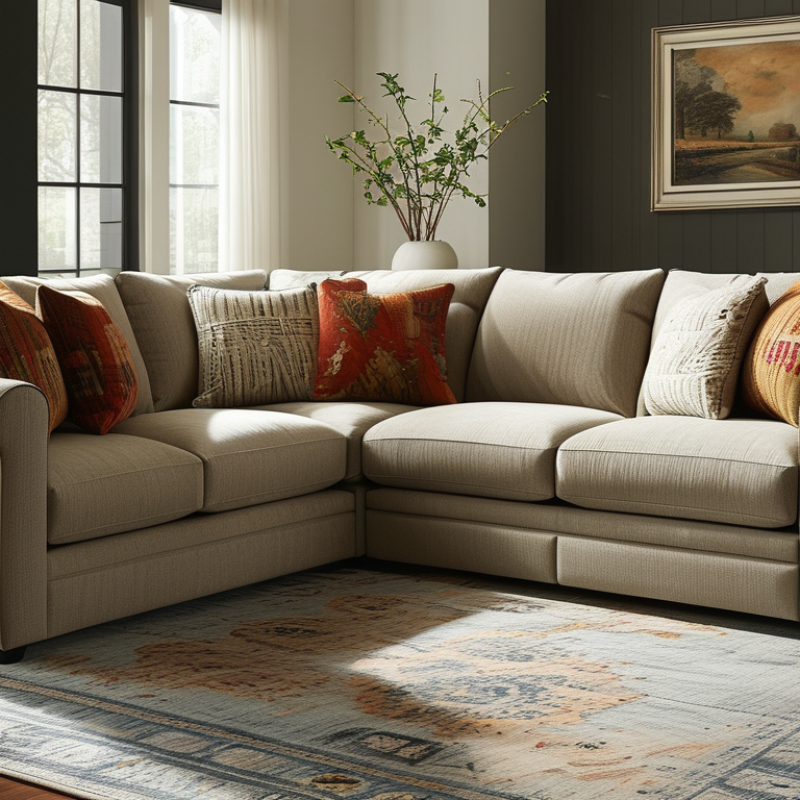
Choosing a sectional sofa requires understanding the various types available. Sectional sofas come in many styles, shapes, and sizes. Some are L-shaped, perfect for small spaces. Others are U-shaped, providing ample seating and comfort. Consider your room layout before making a choice.
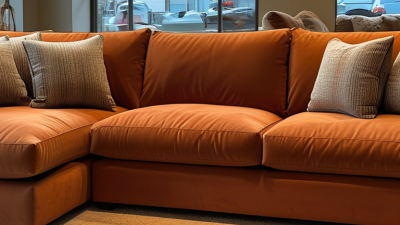
When selecting a sectional, think about the fabric. Leather offers durability and sophistication, while fabric options provide warmth. Each material has its pros and cons. Stains can be harder to remove from fabric, while leather can crack over time. The color is also crucial; darker shades hide stains better.
Incorporate your lifestyle into the decision. If you have pets or small children, choose a durable fabric. Easy-to-clean options are essential. Additionally, think about the arrangement. Some sectionals come with modular pieces, offering flexibility. Changing your setup can refresh your space without buying new furniture.
Evaluating Your Space: Measuring and Planning for a Sectional Sofa
When evaluating your space for a sectional sofa, measuring accurately is crucial. According to the American Home Furnishings Alliance, most living rooms range from 200 to 400 square feet. Understanding your room's dimensions will guide your choices effectively. Start by measuring wall lengths and doorways to ensure the sofa fits comfortably. Remember to consider pathways for circulation. A well-placed sectional should allow at least 30 inches of clearance for easy movement.
Consider the sofa’s configuration. L-shaped sectionals suit tight corners, while U-shaped options work best in larger areas. A study by Furniture Today found that 60% of consumers prioritize seating comfort. Therefore, envision how the sectional will function in your daily life. Are you likely to entertain guests or enjoy quiet evenings? Create zones in your space. Visualizing different layouts can lead to better decisions.
Lastly, think about aesthetics. The chosen sofa will define the room's mood. Consider color schemes and textiles. Be conscious of contrasting patterns that may clash with your existing decor. Aim for a cohesive look, but don't shy away from bold choices. With careful planning, the right sectional will enhance your home while reflecting your personality.
Choosing the Right Upholstery Materials for Comfort and Durability
Selecting the right upholstery material for a sectional sofa can greatly enhance both comfort and durability. According to the American Home Furniture Association, about 70% of buyers consider fabric quality as a priority when making a purchase. This highlights the importance of choosing materials that can withstand daily use while maintaining aesthetics.
Natural fibers like cotton and linen offer breathability but may lack durability over time. Conversely, synthetic materials such as polyester and nylon are often more resilient. They resist stains and fading, making them suitable for high-traffic areas. However, synthetic options can sometimes result in less comfort, making the balance crucial. Studies show that many families replace couches every 7-10 years, often due to wear and tear rather than aesthetics.
Choosing the right upholstery involves considering how the sofa will be used. A family with children may prefer more durable, easy-to-clean fabrics. In contrast, someone without pets or kids might prioritize softness and texture. The decision isn't always straightforward. It's important to reflect on specific needs and potential trade-offs. Each material comes with unique pros and cons. A thorough evaluation ensures the chosen sofa meets both comfort and durability expectations.
Selecting a Design Style that Complements Your Home Décor
Choosing a sectional sofa involves balancing style, comfort, and your home’s décor. The design style of your sofa should resonate with the overall aesthetic of your space. According to the American Home Furnishings Alliance, modern styles dominate consumer preferences, with a reported 37% interest in contemporary designs. However, many homeowners still cherish traditional and transitional styles, creating a diverse market.
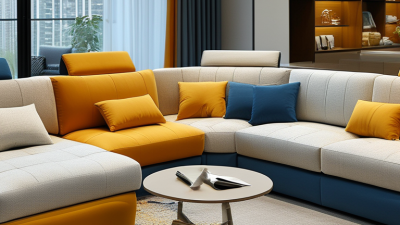
Focus on colors and textures that match your existing furnishings. If your home boasts a neutral palette, vibrant-colored sectional sofas can add a striking focal point. For a softer look, consider fabrics like linen or velvet. The CJ Group reports that 35% of consumers prioritize comfort when selecting upholstery, emphasizing the need for plush cushions and supportive seating.
When selecting a design, think about your lifestyle. Families may prefer durable fabrics, while singles might lean toward chic and sophisticated options. Every choice reflects personal taste and practical needs. Remember, trends shift quickly. Analyze your long-term preferences to avoid future regrets. Consider investing in versatile pieces that can evolve with your style. This approach ensures your sectional remains stylish for years to come.
How to Choose the Perfect Sectional Sofa for Your Home?
| Design Style |
Color Scheme |
Material |
Size Recommendation |
Room Type |
| Modern |
Neutral Tones |
Leather |
Large |
Living Room |
| Traditional |
Rich Colors |
Velvet |
Medium |
Family Room |
| Contemporary |
Monochromatic |
Microfiber |
Small |
Apartment |
| Bohemian |
Vibrant Patterns |
Cotton |
Large |
Outdoor |
| Farmhouse |
Earthy Tones |
Linen |
Medium |
Den |
Budgeting for Your Perfect Sectional Sofa: Cost Considerations and Options
When budgeting for a sectional sofa, it's essential to consider various factors that affect overall costs. On average, sectional sofas range from $600 to $3,000, depending on material and size. Higher-end options, especially those made from premium materials like leather, can exceed $5,000. According to the American Home Furnishings Alliance, over half of consumers prioritize durability and comfort over price, indicating that a slightly higher budget can yield better long-term results.
Investigating various styles and configurations will help identify a solid fit for your space. L-shape and U-shape sofas often accommodate more seating, while compact sectionals can offer versatility in smaller rooms. Be mindful of additional costs such as delivery fees, which may range from $100 to $250. Furthermore, many retailers offer financing options, allowing you to plan your expenses better.
Reflect on your lifestyle and preferences. A fabric sectional might suit families with kids and pets, but it may require more upkeep. Also, consider trending fabric choices like performance fabrics that resist stains. Evaluating long-term needs versus immediate desires can clarify your decision-making process, resulting in a better investment in the long run.