How to Clean and Maintain Your Leather Couch for Long Lasting Use?
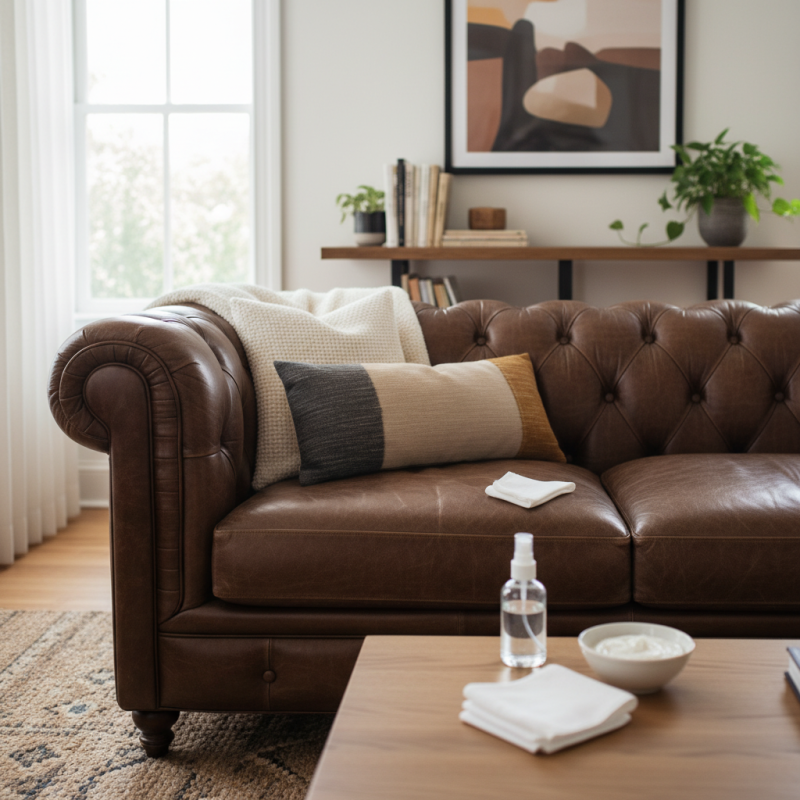
A leather couch can be a stunning centerpiece in your living room. Its elegance and comfort are unmatched, but it requires care. Regular maintenance ensures your leather couch remains resilient against wear and staining.
Cleaning leather is not the same as cleaning fabric. With the right techniques, you can extend the lifespan of your couch significantly. Using gentle cleansers prevents damage. Avoid harsh chemicals, as they can strip the natural oils from the leather, leading to cracks.
Sometimes, neglecting minor stains can lead to disappointment. Even a small spill may become permanent if not addressed quickly. Regular conditioning also helps maintain its suppleness. An unconditioned couch can become dry and unappealing. Observing these practices can turn your leather couch into a lasting investment for years to come.
Understanding the Different Types of Leather Used in Couches
When choosing a leather couch, it's essential to understand the different types of leather. Full-grain leather is the most durable. It showcases the natural grain and is less processed. This type maintains its beauty for years. According to the Leather Research Institute, full-grain leather can last over 30 years with proper care.
Top-grain leather is another common option. It's sanded and treated, offering a smooth finish. While it’s more affordable than full-grain, it may lack some durability. Reports indicate that top-grain leather can last around 10 to 15 years. Understanding these distinctions can help guide your purchase choice.
Bonded leather is a budget-friendly option. Made from leftover scraps, it’s less durable and prone to peeling. Many people find it appealing initially, but it won't withstand heavy use. Research from the Furniture and Home Furnishings Association emphasizes the lower lifespan, often around 3 to 5 years. Recognizing these qualities ensures you choose a leather type that meets your long-term needs.
Leather Couch Maintenance: Understanding Different Leather Types
Essential Tools and Products for Cleaning Leather Furniture
Cleaning leather furniture requires the right tools and products for effective maintenance. According to a study by the Leather Research Commission, improper cleaning can reduce the lifespan of leather by up to 50%. The basic tools you need include a soft microfiber cloth, a vacuum cleaner with a brush attachment, and a leather conditioner. These tools help remove dust, lint, and small debris without damaging the leather.
Choose products specifically designed for leather. Look for pH-balanced cleaners, as harsh chemicals can cause discoloration. A report by the Institute of Leather Technology highlights the importance of regular conditioning. Conditioning prevents drying and cracking, a common issue in leather furniture. Aim to apply conditioner every 3 to 6 months for optimal results. While attempting DIY solutions can be tempting, it is crucial to test any product in a hidden area to ensure compatibility.
Additionally, it's essential to address spills immediately. Blotting with a clean cloth is vital. However, overdoing it can lead to a wet stain. Maintain a balance between caution and thoroughness. Regularly cleaning your leather couch enhances its appearance but be aware that the process is not always perfect. Strive for a routine, but be prepared to adjust based on your specific couch’s needs.
Step-by-Step Guide to Cleaning Your Leather Couch
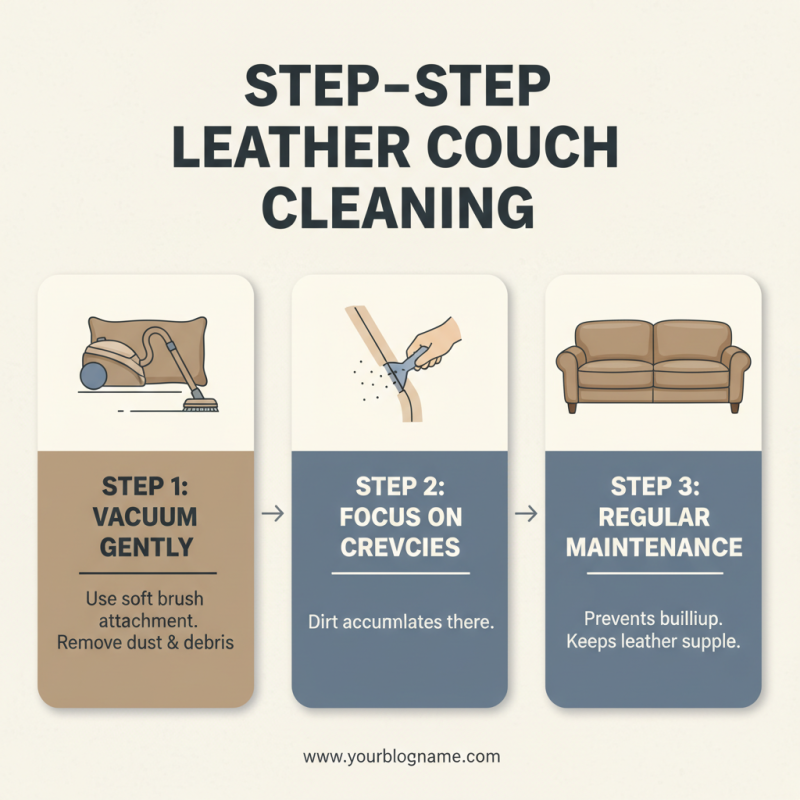
Cleaning your leather couch requires care and attention. Start by vacuuming gently. Use a soft brush attachment. This helps remove dust and debris. Be sure to get into the crevices. It’s surprising how much dirt accumulates there.
Next, prepare a cleaning solution. Mix equal parts of water and white vinegar. Test it on a small, hidden area first. This avoids any unwanted surprises. Dip a clean cloth into the solution. Wring it out to avoid excess moisture. Wipe the leather, going with the grain. Pay extra attention to stains. Some may require a little extra elbow grease.
For drying, use a dry cloth. Pat the leather gently. Avoid rubbing, as it can cause damage. Regularly conditioning the leather helps too. Use a conditioner specific for leather. It keeps the material supple and looking new. Remember, over-cleaning can also harm the leather. Sometimes less is more. Regular care is key, but don’t obsess over every spot. Embrace the natural wear that comes with time.
Tips for Conditioning and Protecting Your Leather Sofa
Conditioning your leather sofa is essential for its longevity. Regular conditioning prevents cracks and maintains the leather's natural luster. Use a high-quality leather conditioner, ensuring it contains natural oils. Apply it with a soft cloth, working it into the leather in circular motions. It's vital not to over-saturate. A little goes a long way.
Protecting your leather couch is equally important. Avoid placing it in direct sunlight, as this can lead to fading. Use coasters or trays for drinks to prevent stains. It's worthwhile to create a cleaning routine. Dust your couch weekly and do a deeper clean monthly. Consider testing any cleaning product on a small area first. This helps prevent any potential damage.
While leather is durable, it can show signs of wear over time. Scratches and scuffs may occur, calling for a bit of reflection on your maintenance habits. Take note of any areas that need more attention. Being proactive will help keep your leather sofa looking fresh for years.
Best Practices for Regular Maintenance of Leather Furniture
Regular maintenance of your leather couch is essential for its longevity. Start by dusting the surface weekly with a soft cloth. This simple act helps prevent dirt buildup. For deeper cleaning, use a damp cloth. Avoid soaking the leather, as excess moisture can lead to damage. If any stains occur, act quickly. Blot the area with a clean, dry cloth instead of rubbing it.
Conditioning your leather is another key practice. Apply a suitable leather conditioner every six months. This keeps the leather supple and prevents cracks. Be mindful of the product you choose; not all conditioners are compatible. Observe how your leather responds after application. If discoloration or residue appears, it may be time to reassess your cleaning routine.
Lastly, position your couch away from direct sunlight. Prolonged exposure can fade the color. Safe placement can greatly enhance its lifespan. Take a moment to reflect on your cleaning habits. Are you prioritizing the right aspects? Always adapt your approach based on your leather's unique needs. Respect the material, and it will serve you well.
How to Clean and Maintain Your Leather Couch for Long Lasting Use? - Best Practices for Regular Maintenance of Leather Furniture
| Maintenance Task |
Frequency |
Recommended Products |
Tips |
| Dusting |
Weekly |
Microfiber cloth |
Use a dry cloth to avoid scratches. |
| Deep Cleaning |
Every 3 months |
Leather cleaner |
Test on a small area first. |
| Conditioning |
Every 6 months |
Leather conditioner |
Apply evenly and wipe off excess. |
| Spot Cleaning |
As needed |
Water & soft cloth |
Blot spills immediately, do not rub. |
| Avoiding Direct Sunlight |
Always |
N/A |
Use curtains or blinds. |