What is a Sofa Designer and What Do They Do?
The role of a Sofa Designer is both artistic and practical. These professionals bring creativity to everyday living spaces. They shape how a room feels and functions. Renowned Sofa Designer, Emily Williams, once said, “A great sofa must tell a story and invite people in.” This statement highlights the essence of their craft.
Sofa Designers blend style with comfort. They consider materials, colors, and fabrics. Each choice influences the user's experience. They often repair or rethink outdated designs. Mistakes happen, but reflection is key. Each error can lead to a unique outcome. Designers learn to embrace these moments.
Collaboration is essential in this field. Sofa Designers work with craftsmen, retailers, and clients. They must communicate their vision effectively. This process often requires patience and flexibility. Each project offers a fresh challenge. The world of Sofa Design is always evolving, inviting new ideas and approaches.
Definition and Role of a Sofa Designer
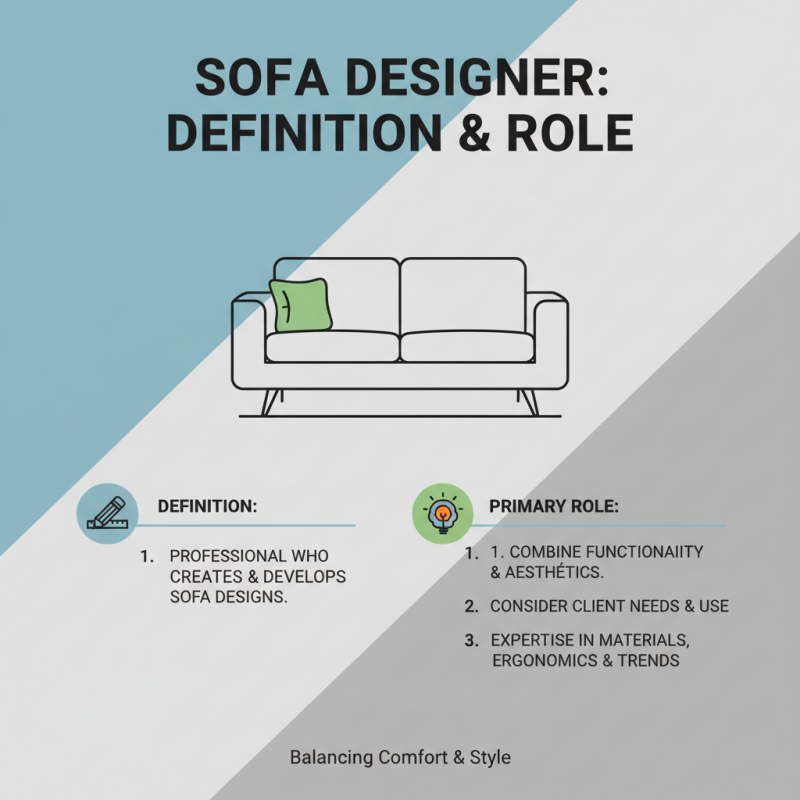
A sofa designer is a professional who specializes in creating and developing sofa designs. Their primary role involves combining functionality with aesthetics. They take into account the client's needs, preferences, and the intended use of the sofa. This often requires an extensive understanding of materials, ergonomics, and current design trends.
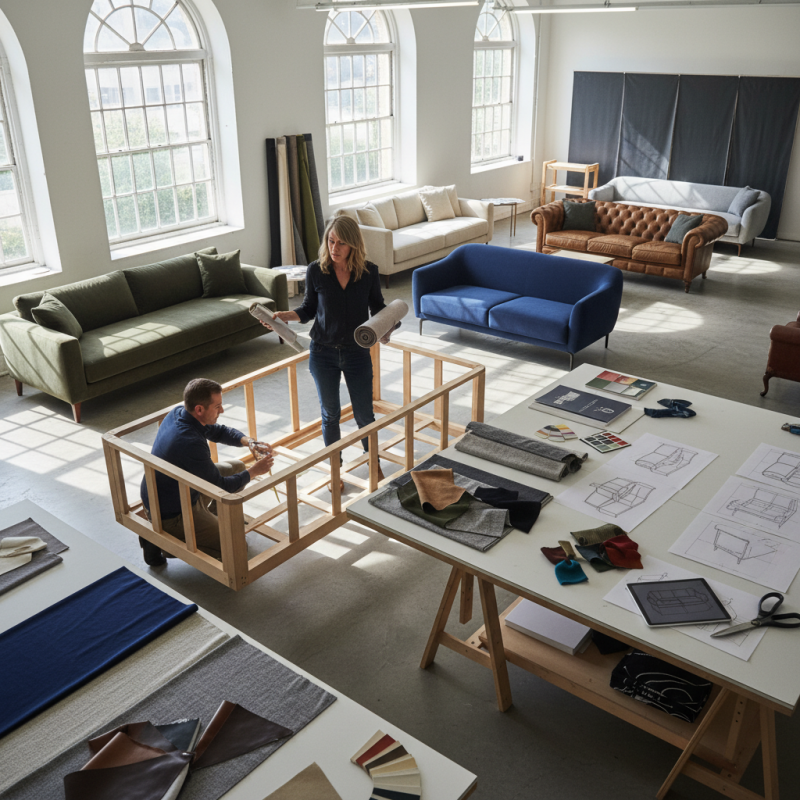
Sofa designers often begin their work by sketching ideas. They experiment with shapes and styles. Choosing fabrics or leathers is also an essential part of their job. A well-designed sofa must be comfortable, durable, and stylish. Designers pay careful attention to details like stitching and cushioning. Sometimes the final product does not match initial visions, leading to reflections on their creative process.
In a world where consumer preferences constantly change, adaptability is critical. Designers must learn from feedback and trends. They often collaborate with manufacturers to ensure the practicality of their designs. This continuous learning process can result in growth, but it also highlights the challenges of meeting diverse client expectations. When designs fall short, there’s room for improvement and innovation in their work.
Skills and Qualifications Required for Sofa Designers
Sofa designers blend creativity with functionality. They create pieces that are not only aesthetically pleasing but also comfortable and practical. To excel in this field, certain skills are essential. Strong design sense is paramount. Knowledge of materials and manufacturing processes is also crucial. Designers need to understand client needs and translate them into functional designs.
Tips: Don’t rush the design process. Spend time exploring different materials. Experimentation can lead to innovative solutions. Collaborate with craftsmen to understand the practical aspects of production.
Most sofa designers also require proficiency in design software. These tools help visualize ideas clearly. Attention to detail is another key skill. Small imperfections can affect the final product's quality. It's essential to assess your own work critically. Seek feedback from peers to refine your designs.
Tips: Constantly seek inspiration from various sources. Travel, art, and nature can provide fresh ideas. Be open to criticism; it fosters growth. Understanding market trends also enhances design relevance.
Sofa Designer Skills and Qualifications
Design Process: From Concept to Final Product
The journey of a sofa designer begins with an idea. This idea transforms into sketches and materials. Designers often seek inspiration from various sources—nature, art, or architecture. The goal is to create a functional yet stylish piece that fits a specific space.
During the design process, collaboration is essential. Designers work closely with manufacturers and material suppliers. Feedback is vital at this stage. Mistakes can happen, and adjustments may be necessary. A piece that looked great on paper may need redesigning for ergonomics or comfort.
Tips: Always test materials. A fabric that seems durable might fray easily. Conduct careful assessments to avoid such pitfalls. Engage with potential users—gathering insights from them can enhance your design.
Finally, the prototype stage brings the design to life. This is where designers see their vision materialized. It’s a moment of excitement and anxiety. Is it as comfortable as imagined? Will it appeal to the target market? Refinements occur based on user feedback. The goal is to create a piece that balances aesthetic appeal and usability while reflecting current trends.
Materials and Techniques Used in Sofa Design
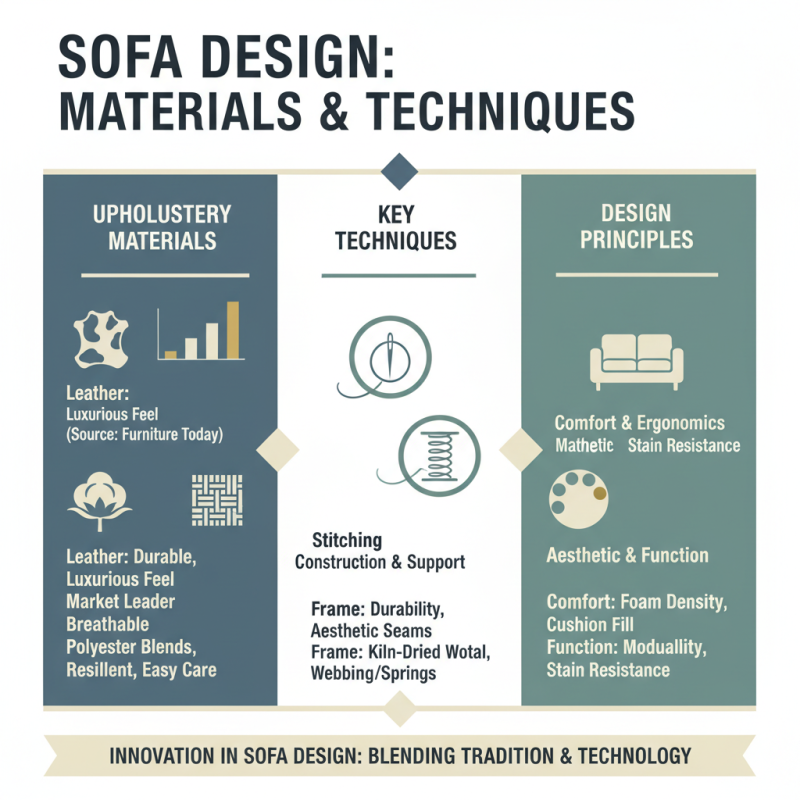
In sofa design, materials and techniques play a crucial role. Designers often use a variety of materials to achieve aesthetic and functional goals. Common upholstery fabrics include leather, cotton, and polyester blends. According to the Furniture Today report, leather retains a significant market share due to its durability and luxurious feel. This popularity highlights a preference for materials that combine comfort and longevity.
Construction techniques greatly impact the sofa's quality and usability. Frame construction, often made from hardwood, ensures stability. A well-built frame can last decades. The use of ergonomics in design also enhances seating comfort. Many designers incorporate springs and high-density foam to support correct posture. Research conducted by the American Society of Interior Designers indicates that proper seating can improve productivity and wellness.
Sustainability is an emerging focus in sofa design. Eco-friendly materials, such as organic cotton and recycled fabrics, are gaining traction. However, many traditional materials still dominate the market. The challenge is balancing sustainability with consumer preferences for luxury and durability. Designers must continually reflect on their choices, ensuring they meet both aesthetic and environmental standards.
Trends and Innovations in Sofa Design Industry
Sofa design is evolving rapidly. Designers are now focusing on sustainability, comfort, and versatility. The rise of eco-friendly materials is a significant trend. Many designers incorporate natural fibers and recycled materials. This shift reflects growing consumer awareness about environmental impacts.
Modern sofas often feature modular designs. These can be rearranged to fit different spaces and needs. Customization allows consumers to choose colors, fabrics, and features. This flexibility enhances both aesthetics and functionality. Designers face challenges in balancing style with practical aspects like durability.
Tips: Consider the size of your space before choosing a sofa. Measure your area to ensure a good fit. Look for materials that are easy to maintain yet stylish. Test the comfort of different designs. Sit on the sofa for an extended period to feel its support. Remember, your sofa should reflect your personal style and meet your lifestyle needs.