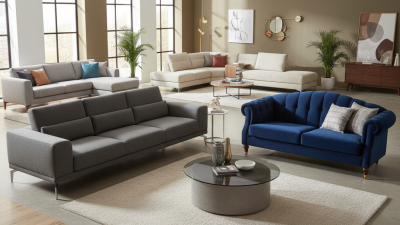
10 Tips to Find the Best Sofa Set Price?

Buying a sofa set is rarely as simple as choosing the lowest displayed price. The real Sofa Set Price includes materials, construction, delivery, assembly, warranty coverage, and future maintenance. A discounted three-seat set may look attractive online, yet its thin cushions can flatten after several months. I learned this after comparing showroom models with heavily advertised online deals. The cheapest option was not always the most comfortable or dependable.

This guide shares ten practical tips for finding better value without sacrificing quality. It explains how to compare upholstery, frame materials, cushion density, dimensions, retailer policies, and seasonal promotions. You will also learn why photographs can hide uneven stitching, shallow seats, or weak support. Measure your doorway first. A beautiful sofa is useless if it cannot enter your home. Ask for written details, including delivery fees and return conditions. Check independent reviews, but treat extreme praise with caution. Expert advice helps, though it can still miss your personal comfort preferences. I initially focused too much on discounts and ignored fabric durability. That was a costly mistake. Your room size, lifestyle, pets, children, and preferred sitting position should shape the final decision. Some recommendations may not suit every household. Still, careful comparison can reveal a fair price and prevent avoidable disappointment. Take your time. Quality deserves inspection.

10 Tips to Find the Best Sofa Set Price?

Define Your Sofa Needs and Set a Realistic Budget

Before comparing sofa set prices, define what your household actually needs. Measure the wall, doorway, stair turns, and elevator carefully. Measure twice. A beautiful set is useless if its longest piece cannot enter the room. Write down your seating needs: adults, children, guests, or occasional use. A three-piece set may seem economical, yet a compact sofa and movable chair could fit better. Consider sleeping, storage, washable covers, and pets. These details change the fair price. Sit on similar sofas for at least ten minutes. Check whether your feet touch the floor and whether the back supports your shoulders.

Set a budget using the total ownership cost, not just the displayed price. I usually reserve 10 to 20 percent for delivery, assembly, and unexpected access problems. I once underestimated delivery charges because I measured the room but ignored the narrow entrance. That mistake was avoidable. Compare frame construction, joint strength, cushion filling, fabric quality, and warranty terms. A higher price does not automatically prove better durability. Ask how the cushions should be cleaned and whether replacement covers are available. Request every service promise in writing. Keep receipts. Comfort matters. Leave room in the budget for a suitable rug or floor protection, but do not sacrifice essential quality for decorative extras. A realistic budget should protect your daily comfort without creating monthly financial pressure.

Compare Sofa Set Prices Across Materials, Sizes, and Designs

Finding the best sofa set price starts with a fair comparison.

The 2024 Grand View Research report valued the global furniture market at over $700 billion, but prices vary sharply by construction and region. Tip one: compare identical dimensions.
Tip two: check seat depth.
Tip three: measure doorways before buying.
A compact two-seater usually costs less than a large sectional because it uses fewer frames, cushions, and upholstery materials. Size matters.

Material changes the budget quickly. Leather often costs more than polyester or cotton blends, while performance fabrics may offer better stain resistance for busy homes.

Tip four: ask about fabric durability.
Tip five: inspect frame joints.
Tip six: check cushion filling.

According to the American Home Furnishings Alliance, upholstery quality depends heavily on frame strength, suspension, and foam density, not appearance alone. A cheap sofa can become expensive after early repairs.

Design also affects price.

Modular sets may cost more initially but allow future rearrangement. Reclining mechanisms and sleeper functions add hardware and maintenance risks.

Tip seven: compare warranties.
Tip eight: price delivery separately.
Tip nine: calculate replacement cushion costs.
Tip ten: request the full material specification in writing.

The U.S. Bureau of Labor Statistics tracks household furniture prices through its Consumer Price Index, yet broad averages cannot reflect local promotions or custom sizing. That limitation matters. I would leave room for doubt, especially when a polished finish hides a lightweight frame. Compare like with like, then judge comfort in person.

Evaluate Quality, Comfort, and Construction Before Buying

Tip 1: Inspect the frame before discussing the sofa set price. Lift one corner slightly. A sturdy frame should feel balanced, not twist or creak. Kiln-dried hardwood usually offers dependable support, but construction details matter more than labels.

Tip 2: Sit on every seat for at least ten minutes. Test the edge, center, and back angle. Your knees should rest comfortably, while your feet stay flat on the floor. Firm cushions may soften with use, but weak foam rarely becomes supportive. I once chose a beautiful sofa that felt comfortable for five minutes. After a week, the shallow seat became irritating.

Tip 3: Examine the joining points and stitching. Look beneath removable cushions for even seams, strong corner blocks, and secure webbing or springs. Press the cushion and watch how quickly it returns. Slow recovery can suggest poor resilience, although overly firm foam may feel harsh.

Compare the price with the sofa’s materials, warranty terms, and expected daily use. A cheaper set may suit a guest room, but heavy family use demands stronger construction. Ask whether covers can be removed and cleaned safely. Check the fabric under natural light. Some textures hide uneven weaving.

Do not trust a showroom impression alone. Measure your doorway, stairway, and living area before paying. Comfort is personal, and online descriptions can miss small details. Bring your usual sitting posture into the test. Bare feet help reveal pressure points. A sofa can look premium and still disappoint.

Check Discounts, Delivery Fees, Warranties, and Return Policies

The advertised sofa price is not always the real price. Compare the final checkout amount, not the headline discount. A 30% reduction can disappear through delivery, assembly, or room-of-choice charges. Baymard Institute reports that 48% of online shoppers abandoned carts because extra costs were too high. Ask for a written delivery quote before paying. Check whether stairs, narrow hallways, or failed delivery attempts create additional fees. Small details matter.

A useful comparison sheet should include the sale price, delivery date, setup service, warranty length, and return cost. The National Retail Federation and Appriss Retail reported that 14.5% of retail sales were returned in 2023, representing about $743 billion in merchandise. Furniture returns can be harder because sofas are large and easily marked. Confirm the return window, collection arrangements, restocking deductions, and packaging requirements. Photograph the sofa and its condition when it arrives. Keep every document.

Read the warranty exclusions carefully. Some policies cover frames but exclude fabric stains, cushions, or normal sagging. Ask how defects are reported and who pays transportation. A long warranty sounds impressive, but limited coverage may provide little protection. I still find delivery wording easy to overlook. That is a weakness in my own buying process. Give the policy one slow read. Then compare two or three complete prices, including protection after delivery.


Negotiate the Final Price and Choose the Best Overall Value

10 Tips to Find the Best Sofa Set Price?

The best sofa set price is not always the lowest number on the tag. Measure your room, doorways, and lift before negotiating. A discounted sofa is useless if it cannot enter your home. Compare similar frames, fillings, fabrics, warranties, delivery fees, and assembly charges. Ask for an itemized quotation. Hidden costs can change the real price quickly.

Visit the showroom with a clear budget and a written list of priorities. Test the cushions for ten minutes, not ten seconds. Check whether the frame feels stable and whether the seat returns to shape. Ask how stains, loose covers, and structural faults are handled. Then make a specific offer based on comparable products. Request value, not only a discount. Free delivery, upgraded fabric, or extended service may be more useful than a small price cut.

Stay polite and allow the salesperson time to respond. Silence can reveal whether flexibility exists. Confirm every agreement in writing before paying. I once focused too heavily on the sale price and overlooked a costly delivery charge. That mistake changed how I compare furniture. A fair deal should balance comfort, durability, after-sales support, and total ownership cost. The cheapest set may need earlier replacement. The most expensive option may include features you never use. Reflect on your actual habits, especially pets, children, guests, and daily lounging, before accepting the final offer.