How to Choose the Best Sectional Couch for Your Living Room?
Choosing the perfect sectional couch can transform your living room. With the right selection, it enhances comfort and style. According to a recent industry report by the Furniture Market Research Institute, sectional couches accounted for 35% of the sofa market share in 2022. This popularity highlights their significance in modern homes.
Expert designer Mark Jennings emphasizes the importance of understanding your space. He states, "A sectional couch should complement your lifestyle and living area." His insight reflects how a well-chosen sectional can adapt to different occasions and family needs, offering versatility.
However, navigating options requires careful consideration. Many buyers get caught up in trends. It's vital to reflect on your room's layout and your family's needs. An attractive sectional without proper sizing or function could become a regrettable choice. Remember, a sectional couch isn't just furniture; it’s an integral part of your daily life and gatherings.
Understanding the Different Types of Sectional Couches Available
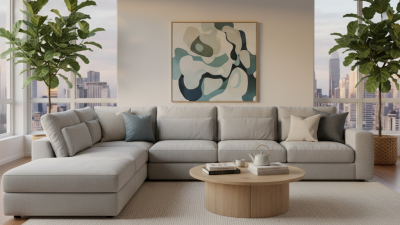
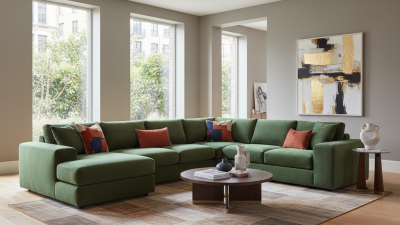
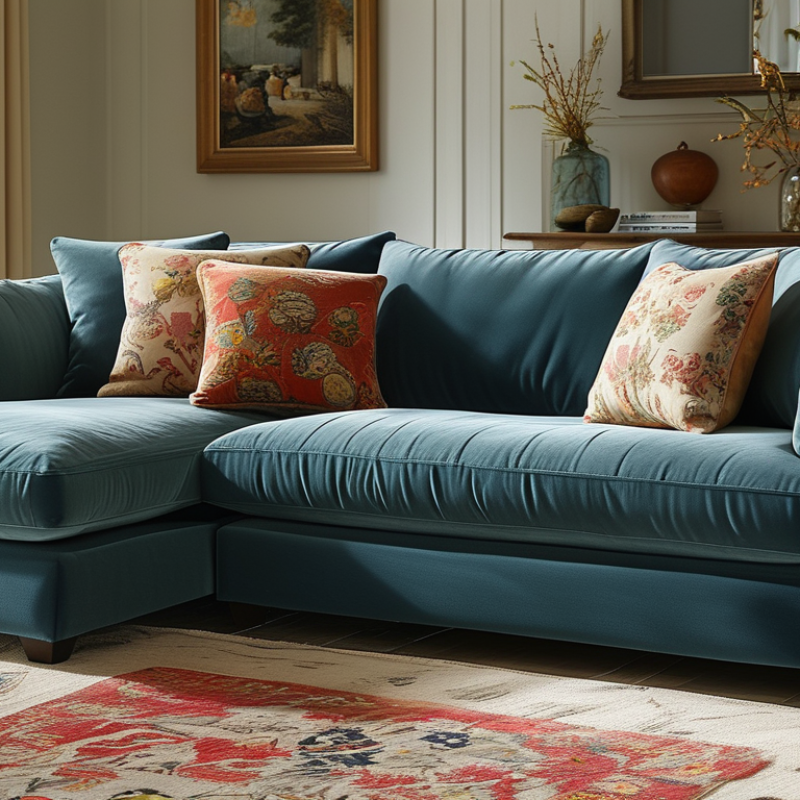
When choosing a sectional couch, understanding the various types is essential. L-shaped sectionals are popular for their versatility. They can fit snugly in corners or serve as room dividers. This design maximizes space while providing ample seating. Meanwhile, U-shaped sectionals offer generous seating arrangements. Ideal for larger living rooms, they encourage conversation among large groups.
Consider the material as well. Fabric sectionals can feel cozy and inviting. However, they may require more maintenance. Leather sectionals, on the other hand, are easy to clean but might feel colder. Think about the lifestyle of your household. If you have kids or pets, durability is key. Not all materials are created equal, and some may wear out faster than others.
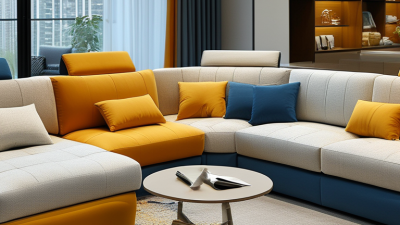
Colors and patterns also play a crucial role in your choice. Neutral tones blend seamlessly with various decor styles. Bold colors make a statement but can cause clashes. Keep in mind that choosing the perfect sectional is not just about aesthetics. It's equally about functionality and comfort. There will always be trade-offs. A sectional that looks great may not always be the most comfortable option. Reflect on what really matters for your living space.
How to Choose the Best Sectional Couch for Your Living Room?
| Type of Sectional |
Best For |
Pros |
Cons |
Price Range |
| L-Shaped Sectional |
Small to Medium Living Rooms |
Efficient use of space, stylish |
Limited seating capacity |
$400 - $2000 |
| U-Shaped Sectional |
Large Living Rooms |
High seating capacity, great for gatherings |
Takes up a lot of space |
$700 - $3000 |
| Chaise Sectional |
Cozy Lounging |
Comfortable, stylish for lounging |
Less seating space, not ideal for large groups |
$600 - $2500 |
| Modular Sectional |
Flexible Spaces |
Customizable arrangements |
Can be expensive, may need extra pieces |
$800 - $4000 |
Assessing Your Living Room Space and Layout for Optimal Fit
When selecting a sectional couch, evaluating your living room space is crucial. According to the American Home Furnishings Alliance, 70% of homeowners underestimate the importance of scale and layout. Often, a couch that looks spacious in a showroom can overwhelm a smaller living room. To avoid this, it's essential to measure your space carefully before making a purchase.
Understanding your room's layout can enhance your comfort and functionality. Consider the flow of the room, including entry points and existing furniture. A sectional that works well with an open floor plan may not suit a more traditional layout. Many experts recommend leaving at least 30 inches of walking space around furniture. This simple tip can vastly improve accessibility and create a more inviting atmosphere.
Remember that your personal style should also inform your choice. While a large sectional may be fashionable, if it obstructs movement or overwhelms the space, it may not be the right fit. Seek balance between aesthetics and practicality. It's a common mistake to prioritize looks over functionality. Balancing these elements is key to a cohesive living area.
Evaluating Material Choices: Durability and Comfort Considerations
Choosing the right material for a sectional couch can significantly impact both durability and comfort. Fabric options range from synthetic blends to natural fibers. Synthetic fabrics tend to be more resilient against stains and fading. However, they might not provide the same level of breathability. Natural fibers, like cotton or linen, offer excellent comfort but may wear out quicker.
When assessing durability, consider the material's weave and fiber content. A tightly woven fabric can resist fraying. Look for high rub counts to gauge wear resistance. For families with pets or children, consider water-resistant coatings. However, these features can be misleading and may not guarantee total protection from spills.
For comfort, plush and soft textures are inviting but might lack longevity. Think about your home’s climate when choosing materials. Synthetic fabrics can feel warmer in summer. In contrast, natural fibers can feel cooler but may require more maintenance. Reflect on how you use your couch daily before making a decision. Testing materials in a showroom can clarify which feels right for your lifestyle.
Examining Color and Fabric Trends in Contemporary Design
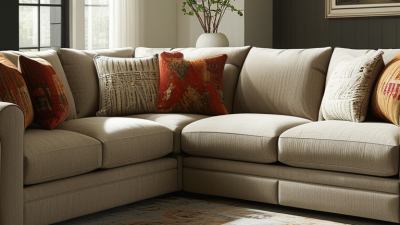
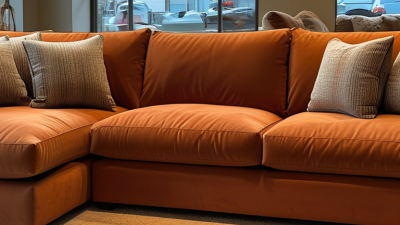
When selecting a sectional couch, color and fabric trends play a crucial role. Contemporary designs often feature earthy tones like terracotta, olive green, and muted blues. These colors not only bring warmth but also blend seamlessly with various decorating styles. Choosing a color that resonates with your personal aesthetic is essential. Sometimes, though, you might find yourself drawn to a shade that doesn't suit your space.
Fabric choice significantly impacts both comfort and look. Popular materials like velvet and linen offer a sophisticated touch. However, they require maintenance and care to remain pristine. Understanding how different fabrics perform over time can guide your decision. For instance, while velvet exudes luxury, it can show wear more quickly in high-traffic areas. Reflect on your lifestyle before making a choice.
Patterns are also gaining popularity. Bold geometric prints can add character to your living room. Yet, it can be challenging to find a print that harmonizes with other elements in your decor. Be cautious about overloading a space with too many patterns. Aim for a balance that maintains visual interest without overwhelming the senses. Making these choices thoughtfully will lead to a cohesive and inviting living area.
Budgeting for Quality: What You Should Spend on a Sectional Couch
When budgeting for a sectional couch, it’s crucial to strike a balance between quality and cost. A solid understanding of materials and craftsmanship can enhance your purchasing confidence. Sofas made of durable fabrics and robust frames will last longer, saving you money in the long run. Consider what you need most—style, comfort, or longevity.
Price ranges vary widely. On the lower end, you might find basic models that fit your budget. However, these may compromise on comfort or durability. Higher-priced options often provide better support and richer textiles. Spend time researching the types of materials that suit your lifestyle. If you have pets or children, durable upholstery is essential.
Reflecting on your needs can simplify the process. Often, we get swayed by trends rather than practicality. Think about how often you’ll use the couch. It may be tempting to choose a stylish piece, yet without proper function, it may not live up to expectations. Investing in a quality sectional can enhance your living space, making it more inviting and functional.