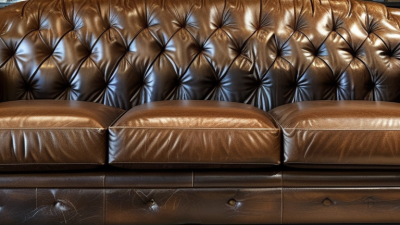
How to Clean and Maintain Your Leather Couch for Longevity and Beauty?
Maintaining a Leather Couch requires knowledge and attention. According to renowned upholstery expert Sarah Fennel, “A well-cared-for leather couch can last decades.” This statement highlights the importance of proper cleaning and maintenance practices.
Leather furniture offers elegance and comfort, but neglect can lead to wear and tear. Regular cleaning helps remove dust and dirt that adhere to the leather surface. Using gentle cleansers prevents damage while preserving color and texture. Avoid harsh chemicals that can strip the leather’s natural oils.
Incorporating conditioner into your cleaning routine is crucial. It hydrates the leather, keeping it supple and beautiful. Over time, even the best leather couches can show signs of aging. It's essential to address these issues proactively. Consider a professional assessment if significant wear occurs. A small investment in care today ensures your leather couch remains a stunning centerpiece for years to come.
Understanding the Different Types of Leather for Couches
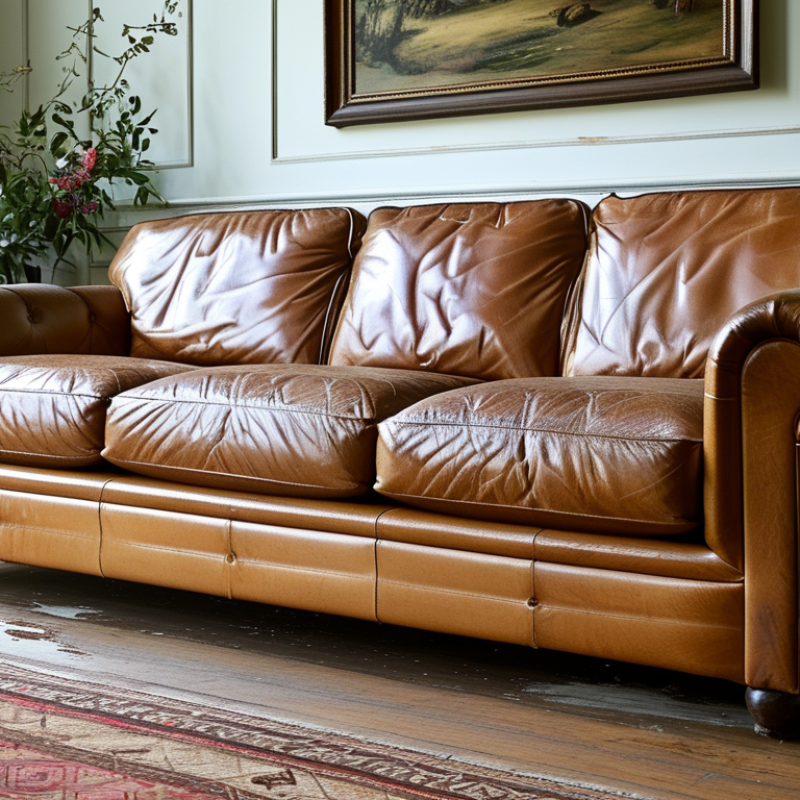
When choosing a leather couch, understanding the different types of leather is essential. Full-grain leather is the highest quality available. It retains the natural hide, making it durable and beautiful over time. This type of leather ages gracefully, developing a rich patina. In contrast, corrected grain leather is more affordable. It undergoes processes to remove imperfections but may not offer the same longevity or aesthetic appeal.
Tips: Invest in full-grain leather if durability is a priority.
Top-grain leather, another popular option, has a similar look to full-grain but is sanded down for a smoother texture. It’s still durable but may not last as long as full-grain. Bonded leather is often seen as a less expensive alternative. While it may look appealing, it lacks the durability and beauty of higher-grade leathers. Industry statistics show that a high-quality leather sofa can last 15 to 20 years with proper care.
Tips: Use a soft cloth to clean and avoid harsh chemicals.
Regular maintenance, such as conditioning, is crucial. A good conditioner can replenish oils that leather loses over time. Understanding your leather's quality will guide you in selecting the right cleaners and conditioners. Not all products work with every leather type. Thus, always conduct a patch test before deep cleaning.
Essential Tools and Supplies for Leather Couch Cleaning
Cleaning and maintaining a leather couch requires specific tools and supplies. You'll need a few essential items to ensure your sofa stays beautiful for years to come. First, a soft microfiber cloth is crucial. This type of cloth is gentle on leather and effective at trapping dirt. You should also use a vacuum with a soft brush attachment. This helps remove particles without scratching the leather.
Leather conditioner is another essential supply. It nourishes the leather, preventing it from drying out and cracking. Choose a product free of harsh chemicals. Water and mild soap are also necessary for deep cleaning. Remember to test any cleaning solution on a hidden area first. It’s important to avoid over-saturating the leather. Excess moisture can lead to water stains and damage.
Finally, consider keeping a lint roller handy. It’s effective in removing pet hair and dust quickly. Remember that leather couch maintenance can be a learning process. Each couch reacts differently to cleaning methods. Take notes on what works best for your specific couch. Reflect on your methods to improve your approach over time. This ongoing reflection can lead to better results in keeping your leather couch in top condition.
Step-by-Step Guide to Cleaning Your Leather Couch
Cleaning your leather couch is essential for maintaining its beauty. Start by removing loose dirt with a soft cloth or a vacuum. Make sure to use the upholstery attachment to avoid scratches. For stubborn stains, mix water and mild soap for a gentle solution. Use a damp cloth to wipe the area, but don’t soak the leather. This method keeps the material from damage while effectively cleaning it.
Conditioning your leather couch is a crucial step. Apply a dedicated leather conditioner to keep it supple and prevent cracks. Use a microfiber cloth and apply a small amount in circular motions. This action helps to evenly distribute the conditioner. Allow it to absorb fully for the best results. Remember, over-conditioning can lead to a greasy feel. Test on a hidden area first to ensure there’s no adverse reaction.
Regular maintenance is vital for longevity. Dust your couch weekly to prevent dirt build-up. Be mindful of sunlight; excessive exposure can fade the color. Occasionally, evaluate the seams and stitching for wear. Address any small issues quickly to prevent costly repairs later. Reflect on your cleaning habits; are they truly effective? Adjust as needed to keep your couch looking its best.
Techniques for Conditioning and Protecting Leather Upholstery
Leather upholstery offers an elegant touch to any home, but it requires special care. Conditioning is crucial for maintaining its beauty and longevity. According to a report by the Leather Industries of America, proper conditioning can extend the lifespan of leather by up to 30%. Regularly applying a good quality leather conditioner helps to replace lost moisture and keeps the leather supple. Aim for application every six months, or more frequently in dry environments.
In addition to conditioning, protecting leather from everyday wear is essential. Use a leather protector, which creates a barrier against spills and stains. The same industry report indicates that leather treated with protectors shows 50% less staining compared to untreated leather. It’s important to test any product on a hidden area first, as reactions can vary. Be mindful that excessive heat and direct sunlight can cause irreversible damage.
Cleaning also plays a significant role in protection. Use a soft, damp cloth to wipe surfaces regularly. Avoid harsh chemicals that could strip protective layers. Remember that even with the best care, leather can develop imperfections over time. Scratches and marks might add character. Reflecting on these aspects can lead to a more mindful approach to leather maintenance, enhancing its innate beauty over the years.
How to Clean and Maintain Your Leather Couch for Longevity and Beauty
| Cleaning Method |
Frequency |
Conditioning Method |
Protection Method |
Tips |
| Use a soft cloth and mild soap solution |
Monthly |
Leather conditioner or cream |
Apply leather protector spray |
Always test products on a hidden area |
| Vacuum regularly to remove dust |
Weekly |
Repeat every 6 months |
Avoid direct sunlight exposure |
Use coasters to prevent stains |
| Wipe spills immediately with a damp cloth |
As needed |
Hydrating spray to enhance shine |
Limit moisture and humidity |
Regular maintenance is key to longevity |
Tips for Preventing Damage and Maintaining Your Leather Couch
Leather couches can enhance any living space with their elegance, but they require care to last. Maintaining leather involves more than regular cleaning; it includes proactive measures to prevent damage. According to a study by the Leather Research Centre, untreated leather can absorb up to 10% moisture, leading to deterioration and staining over time.
To prevent damage, consider these tips. First, keep your couch away from direct sunlight. UV rays can fade colors and dry out the leather. Additionally, avoid placing it near heat sources, as excessive heat can cause cracking. Regular conditioning is crucial; use a leather conditioner every six months to maintain suppleness and hydration.
Another essential aspect is cleaning. Use a soft cloth to wipe away dust weekly. For spills, act quickly—blot, don’t rub. Rubbing can spread stains. Remember that some cleaning agents may harm the leather. Stick to pH-balanced cleaners designed specifically for leather. Reflecting on your practices regularly can improve results and prolong the life of your leather couch. Establish these routines to keep your couch looking beautiful for years.