How to Choose the Best Sofa Set for Your Home?

Choosing the best Sofa Set is not simply a style decision. It is a practical investment in comfort, space, and daily living.

A sofa can influence how people move, relax, host guests, and use a room. In practice, the wrong depth can leave your knees unsupported. An oversized frame can block walkways or make a small room feel crowded. Grand View Research valued the global furniture market at approximately $516.66 billion in 2022. Its report also forecasts continued growth through 2030. IMARC Group estimated the global sofa market at about $27.2 billion in 2023. These figures show strong demand, but market definitions differ between research companies. That detail deserves attention.

A reliable choice begins with accurate measurements. Record the room’s length, doorway width, stair turns, and wall clearance. Leave enough space for walking, opening cabinets, and cleaning behind the furniture. Then examine the frame, suspension, foam density, stitching, and fabric composition. BIFMA standards can provide useful durability references, although not every residential Sofa Set carries certification. Do not trust appearance alone. Sit on the cushions. Test the back support. Notice whether the seat feels firm, soft, or uneven after several minutes. A reputable retailer should explain warranty terms, maintenance needs, delivery limits, and return conditions clearly. Families with pets may prefer tightly woven, removable, and stain-resistant covers. However, performance fabric is not always the most comfortable option. The right decision balances evidence with personal experience. This guide explains how to compare size, construction, materials, comfort, and value before purchasing a Sofa Set for your home.
How to Choose the Best Sofa Set for Your Home?

Assess Your Space, Lifestyle, and Seating Requirements

How to Choose the Best Sofa Set for Your Home?

Assess your room before browsing sofa styles. Measure the wall, doorway, lift, and walking paths. Leave at least 30 inches for comfortable movement. Mark the sofa’s footprint with painter’s tape. This simple test reveals whether the room feels open or cramped. Check window locations and radiator clearance, too. A beautiful sofa becomes frustrating when it blocks natural light or a cabinet door.

Your lifestyle should guide the upholstery and seating shape. A household with children or pets may need tightly woven, easy-clean fabric. If you read alone, a deep seat and firm back support can improve comfort. Frequent guests may benefit from a sectional or separate armchairs. Count regular users, not occasional visitors. Three seats may sound sufficient, but three adults often need more shoulder space. Test the seat height with your feet flat on the floor.

I once chose a deep sofa without considering my short legs. It looked relaxed, but standing up felt awkward. That mistake taught me to test posture, cushion firmness, and arm height in person. Sit for ten minutes, not ten seconds. Ask whether you can rise easily and maintain a neutral back. Foam, fiber, and spring cushions also age differently, so request care instructions and warranty details. Do not rely only on photographs. Room proportions and daily habits matter more.

Measure the Room and Plan the Sofa Set Layout

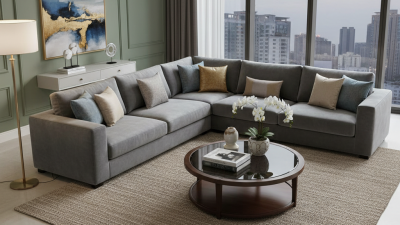
Before choosing a sofa set, measure the room’s usable area, not just its wall length. Record doors, windows, radiators, outlets, and walking paths. Include skirting boards and door swings. A sofa that fits the wall may still block daily movement. Measure twice.

Use graph paper or a simple floor-planning app to test the layout. The NKBA Planning Guidelines commonly use 36 inches as a comfortable primary walkway, while 30 inches may suit a tighter secondary path. Keep at least 18 inches between a sofa and a coffee table for legroom and cleaning access. BIFMA’s G1-2013 ergonomics guidance also supports checking posture, reach, and circulation instead of judging furniture by appearance alone. These standards do not solve every living room.

For television seating, measure viewing distance from the sofa’s seated position, not its back edge. Mark the sofa footprint with painter’s tape before ordering. Leave extra clearance near hinged doors and allow space for cushions to project forward. In my experience, corner sofas often look efficient but can consume more floor area than expected. I once ignored a radiator position and had to revise the entire arrangement. That mistake was avoidable. A flexible layout usually works better than a perfect-looking one, especially when children, pets, or frequent guests change how the room is used.

Choose Suitable Sofa Styles, Materials, and Colors

How to Choose the Best Sofa Set for Your Home?

Choose Suitable Sofa Styles, Materials, and Colors

A sofa should match your daily routine, not only your room’s appearance. For relaxed family use, a deep sectional offers space for stretching and conversation. A compact two-seater may work better in a narrow apartment. Measure doorways, stair corners, and walking paths before choosing a large design.

I once selected a beautiful sofa that blocked a cabinet door. It looked right, but functionally, it failed.

Material affects comfort, maintenance, and long-term value. Leather-like surfaces are easy to wipe, while tightly woven fabric can feel warmer and more inviting. Families with pets should inspect the weave for loose loops and snagging risks.

Sit on the sofa for several minutes. Check whether your feet touch the floor and whether the back supports your shoulders. Soft cushions feel luxurious at first, but overly soft foam may lose shape sooner. This is easy to overlook.

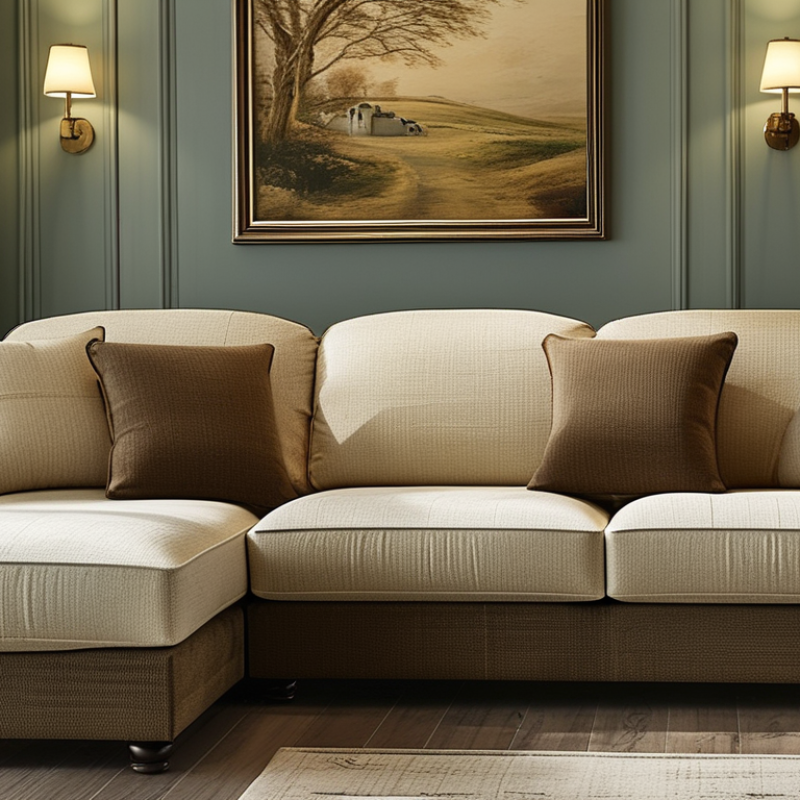
Color should respond to light, flooring, and existing furniture. Warm beige can soften a bright room, while charcoal creates stronger contrast. Test fabric samples near windows during morning and evening. Artificial light can change the color noticeably.

I prefer calm neutral upholstery with removable accent cushions, though this choice can feel too plain. A small sample is not enough. View the material from different angles, then consider how dust, sunlight, and everyday spills may affect its appearance.

Evaluate Comfort, Quality, Durability, and Maintenance

How to Choose the Best Sofa Set for Your Home?

Evaluate Comfort, Quality, Durability, and Maintenance

A sofa should feel supportive, not merely soft. Sit on it for at least ten minutes, if possible. Notice whether your lower back stays relaxed and your feet touch the floor. Test the seat edge, arm height, and cushion recovery after standing. A deep seat may look inviting, yet it can strain shorter users. Try your usual reading or resting position. Comfort is personal.

Quality appears in details you can touch and inspect. Check straight seams, even gaps, firm joints, and a frame that does not twist. Lift one corner slightly; excessive movement may suggest weak construction. Dense, resilient foam usually keeps its shape better than very soft filling. However, firmness alone does not prove quality. Ask about frame materials, suspension, cushion covers, repair options, and written warranty terms. I once chose a beautiful sofa with shallow cushions, then regretted it during long evenings. Looks misled me.

Durability depends on use, sunlight, pets, children, and cleaning habits. Choose tightly woven, cleanable upholstery for busy rooms. Test a hidden area with the recommended cleaner, not a random household product. Vacuum crevices weekly and rotate removable cushions regularly. Keep the sofa away from strong sunlight when fading matters. Read the care label carefully. Do not ignore maintenance effort. A washable cover sounds practical, but removing it can be surprisingly difficult. Leave space around the sofa for cleaning and ventilation.

Compare Prices, Features, and Delivery Options Before Buying

Choosing a sofa set starts with the full cost, not the large number on the product page. Compare the sofa price, delivery fee, assembly charge, taxes, and possible disposal costs. The 2023 National Retail Federation and Appriss Retail report estimated $743 billion in retail merchandise returns in the United States. That figure covers all categories, not sofas, but it shows why return conditions deserve careful attention. A low price can become expensive after a difficult return.

Features should match daily use. Check the frame material, joint construction, seat suspension, cushion density, and fabric-cleaning instructions. Measure the sofa, doorway, elevator, and turning space. Measure twice. A 90-inch sofa may fit the room but fail at the stairwell. I often underestimate armrest width, which is an easy mistake. Ask whether covers are removable, whether replacement cushions are available, and how long the structural warranty lasts. Compare equivalent specifications, not decorative labels.

Delivery deserves the same scrutiny as comfort. Confirm the estimated dispatch date, delivery window, room-of-choice service, stair fees, packaging removal, and damage-report deadline. Baymard Institute’s checkout research records an average online cart-abandonment rate of 70.19% across 49 studies; unclear costs and delivery details are common friction points. For a large sofa, inspect every corner before signing. Photograph torn packaging and crushed legs. If the promised date is vague, request it in writing. That small step may prevent a costly dispute.